
8.38 laminated glass
Understanding One-Way Water Check Valves Functionality and Applications One-way water check valves are essential components in various plumbing and fluid management systems. Their function is simple yet critical they allow water or other liquids to flow in one direction while preventing backflow. This capability is crucial in maintaining system integrity, ensuring that water flows as intended without the risk of contamination or damage from reverse flow. How One-Way Check Valves Work The operation of a one-way check valve is based on a straightforward principle of mechanics. The valve consists of a body, a disc or ball, and a seat. When water flows in the intended direction, the pressure pushes the disc or ball off the seat, allowing fluid to pass through. When the flow reverses, the pressure drop forces the disc or ball back onto the seat, effectively sealing the valve and stopping any backflow. This automatic operation eliminates the need for manual intervention and relies entirely on fluid dynamics. Importance in Plumbing Systems In residential and industrial plumbing, one-way check valves play a pivotal role. For instance, they are commonly employed in sump pumps and drainage systems to prevent water from flowing back into a sump pit or basin once it has been pumped out. The presence of a check valve ensures that the system remains efficient and free from contamination. Similarly, in irrigation systems, these valves prevent the backflow of chemicals or fertilizers into the primary water supply, safeguarding public health and maintaining water quality. Industrial Applications one way water check valve Beyond residential use, one-way check valves are critical in various industrial applications. They are found in systems that handle wastewater, petrochemicals, and other fluids. In these settings, the integrity of the system is vital to prevent leaks, spills, and potential environmental hazards. The use of check valves can help in managing pressure differentials and ensuring that processes run smoothly without disruptions caused by fluid backflow. Choosing the Right Check Valve When selecting a one-way water check valve, several factors must be considered. The valve must be compatible with the type of fluid involved, the pressure conditions, and the temperature of operation. Materials such as brass, stainless steel, and PVC are common choices, each offering different levels of resistance to corrosion and wear. Additionally, factors like flow rate and installation requirements must be carefully evaluated to ensure optimal performance. Maintenance and Lifespan One-way check valves generally require minimal maintenance; however, regular inspections are advisable to ensure full functionality. Over time, debris and minerals can accumulate, potentially compromising the valve's effectiveness. In harsh operating conditions, valves may wear out faster, necessitating replacement. Following manufacturer guidelines for maintenance can prolong the lifespan of these valves and ensure they function as intended. Conclusion In summary, one-way water check valves are integral to the efficient operation of various fluid systems. Their ability to prevent backflow makes them indispensable in both residential and industrial applications. By understanding how these mechanisms work and their significance across different settings, users can better appreciate the role they play in maintaining system integrity and preventing potential hazards. Whether in a simple home plumbing system or a complex industrial setup, one-way check valves are a small but mighty component that ensures fluid systems operate smoothly and safely.
about
8.38 laminated glass
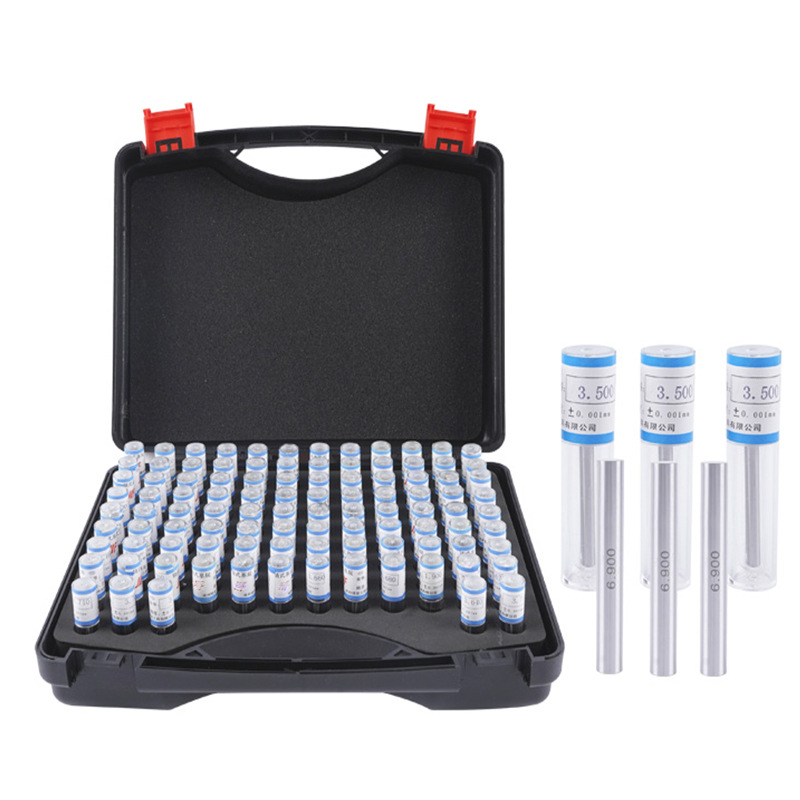
Understanding Standard Pin Gauges Essential Tools in Precision Measurement In the realm of precision engineering, accurate measurement is paramount. One of the essential tools used for this purpose is the standard pin gauge. Pin gauges are widely utilized in various sectors, including manufacturing, quality control, and mechanical engineering, to ensure that components meet stringent tolerances and specifications. In this article, we will explore the significance of standard pin gauges, their design, applications, and best practices for utilization. What is a Standard Pin Gauge? A standard pin gauge is a cylindrical rod, typically made of high-carbon steel or stainless steel, designed to check the size or diameter of holes and slots in various materials. These gauges come in standard sizes, which can be used to determine whether the measurements of a component fall within specified tolerances. Pin gauges are available in both go and no-go variants, allowing users to confirm that a hole is correctly sized. The go gauge should fit into the hole, while the no-go gauge should not. Design and Construction Standard pin gauges feature a simple yet effective design. They are usually formed into a set of rods, each varying in diameter, and are often calibrated to high standards to ensure precision. The ends of these gauges are often ground to a fine finish to provide a clear, accurate measurement. Additionally, some pin gauges might be coated or treated to enhance durability and resistance to wear. The sizes of pin gauges are standardized, with increments in diameter typically available from just a fraction of a millimeter up to several millimeters. This standardization ensures compatibility across different industries and sectors, making it easy for engineers and quality control personnel to communicate and understand specifications. Applications of Standard Pin Gauges Standard pin gauges have a variety of applications across different fields 1. Quality Control In manufacturing environments, pin gauges play a crucial role in quality assurance. They are used to verify that components meet dimensional specifications, helping to ensure that manufactured parts fit together correctly. 2. Assembly Processes During assembly, pin gauges can be employed to check for proper alignment and fitting of parts. This is particularly important in industries such as automotive and aerospace, where precision is critical. standard pin gauge 3. Toolmaking Toolmakers often use pin gauges to ensure that tooling and dies are manufactured to correct specifications. This is essential for ensuring the overall quality of production processes. 4. Calibration Pin gauges can also serve as reference standards used to calibrate other measuring instruments, helping maintain accuracy in various measurement systems. Best Practices for Using Standard Pin Gauges For effective utilization of pin gauges, consider the following best practices - Storage Always store pin gauges in a protective container to prevent damage. Moisture, dust, and other environmental factors can lead to degradation in accuracy and performance. - Cleaning Regularly inspect and clean pin gauges to remove any dirt or contaminants. This will help maintain their precision and extend their lifespan. - Calibration Checks Periodically check the calibration of your pin gauges against known standards to ensure ongoing accuracy. This is particularly important in high-precision environments. - Usage Technique When using a pin gauge, ensure that you insert it gently into the hole without forcing it. Forcing can lead to false readings or damage to both the gauge and the workpiece. - Go/No-Go Concept Always employ the go/no-go approach to facilitate quick and effective assessments of measurement tolerances. This method simplifies the process of determining whether a component is suitable for its intended application. Conclusion Standard pin gauges are indispensable tools in the field of precision measurement. Their simplicity, accuracy, and versatility make them suitable for a wide array of applications across different industries. Understanding how to use these gauges effectively can significantly enhance quality control processes and ensure that manufacturing meets high standards of precision and accuracy. By adhering to best practices for storage, cleaning, and calibration, users can maximize the utility and lifespan of pin gauges, contributing to overall operational efficiency. In a world where precision is crucial, standard pin gauges stand out as a reliable ally in achieving excellence in measurement.
-

High quality industrial productsagement

High quality industrial products
View Details -

Meet the diverse needs of customers

Meet the diverse needs of customers
View Details -

Strict quality control

Strict quality control
View Details -

Top raw materials

Top raw materials
View Details -

Trusted supplier

Trusted supplier
View Details
Our application

news and information

workbench welding table
The Importance of Workbench Welding Tables A workbench welding table is an essential piece of equipm
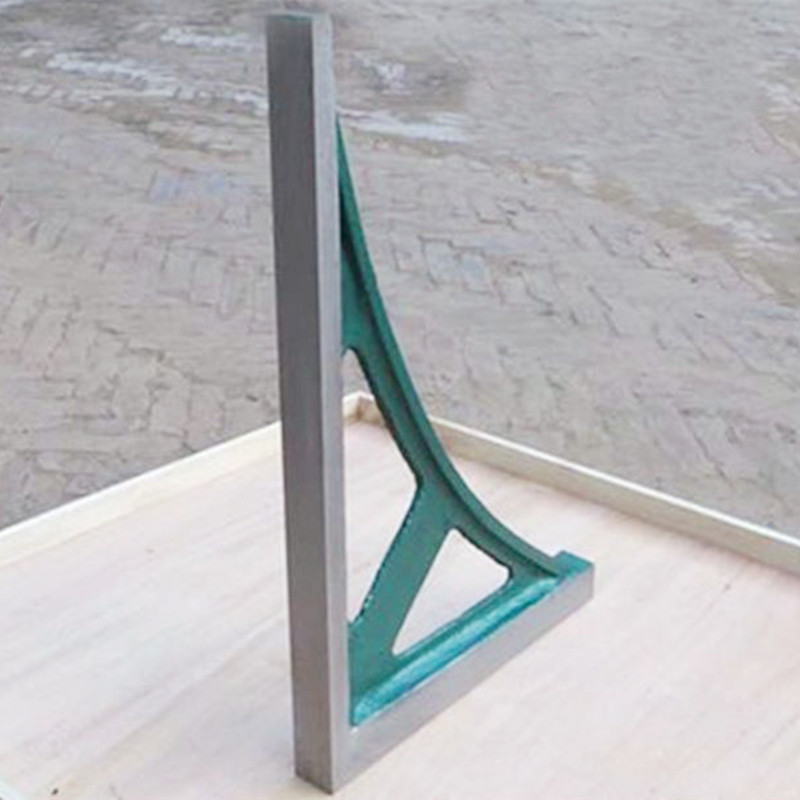
water shut off valve
Understanding Water Shut-Off Valves A Homeowner's Guide Water shut-off valves are an essential compo
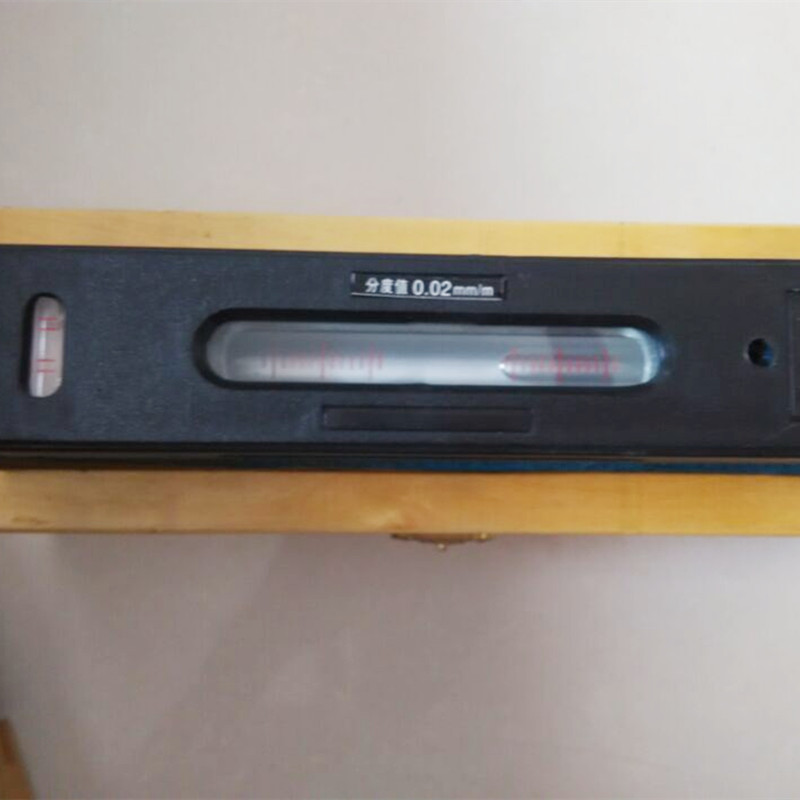
Vendita di gauge a spina di alta qualità disponibile online
Misuratori a Pugno in Vendita La Scelta Ideale per Ogni Professionista I misuratori a pugno, noti an
 English